

Whale watching cruise with WWF guide in the Corfu archipelago
Greece:
Ionian Islands
Duration:
6 days - 7 nights
Max number of passengers:
6 people
Available:
July - August
Boarding from:
Brindisi
What's included
Cancellation policy

Organised by:
WWF Travel
Member since 2020 -
Organisation
Italian
English
This experience, in a nutshell
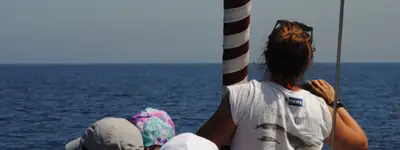
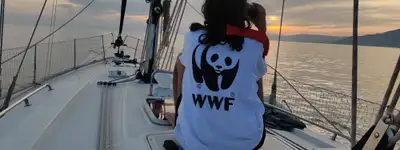
- Unique scientific experience: Direct participation in monitoring and research activities together with WWF guides, using non-invasive methods to observe and protect cetaceans in the Mediterranean, according to the rigorous standards of the High Quality Whale Watching certification, promoted by ACCOBAMBS and CIMA Foundation. These labels certify that all activities follow international guidelines, promoting species conservation and educating participants on the importance of protecting biodiversity.
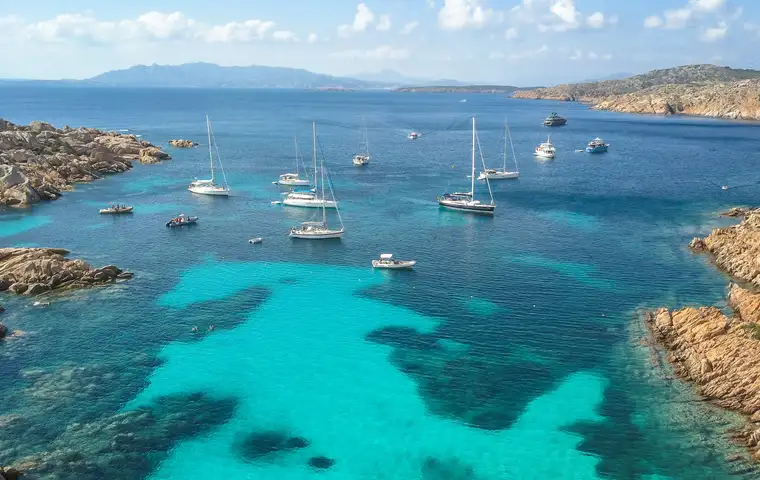
- Contact with the wilderness: A journey in harmony with the marine environment, away from crowded places, to experience the Mediterranean in its authenticity and contribute to its conservation.
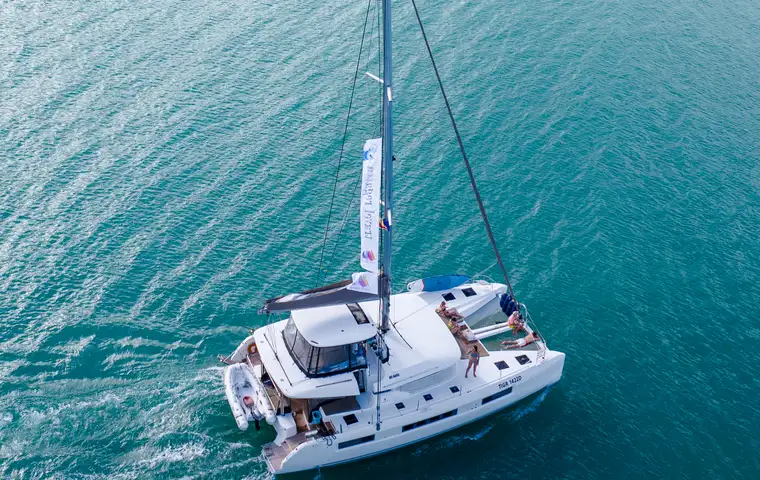
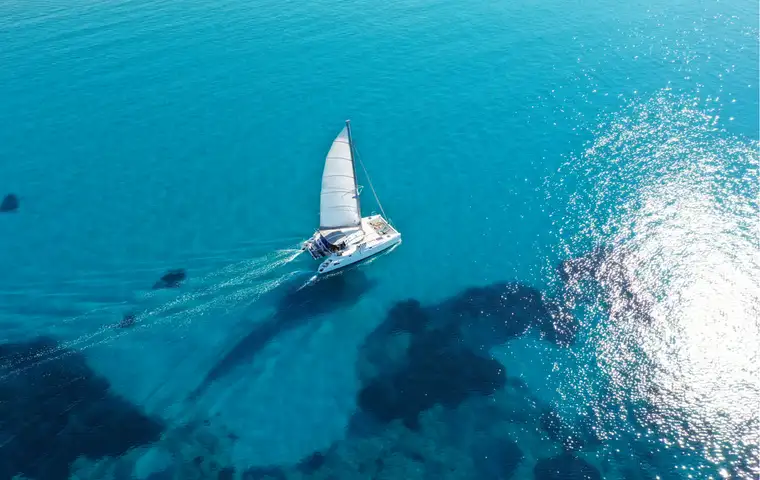
- Sustainable navigation: The choice of sailboat aims to minimize the use of the engine (unless the marine weather conditions do not allow it), thus limiting emissions and noise pollution, for a more sustainable environmental impact. This choice represents a concrete commitment to responsible tourism that respects the marine environment.
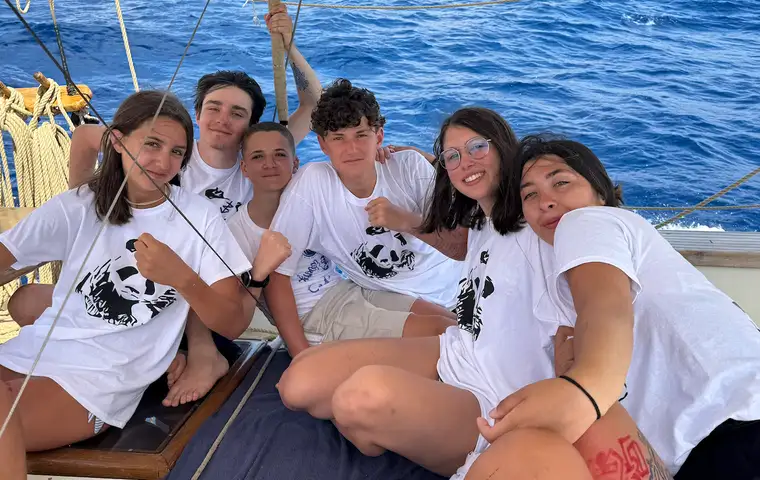
- Authentic and shared atmosphere: Spartan and collaborative life on board, with all participants involved in daily activities, for a travel experience that combines adventure, conviviality and a spirit of adaptation.
- Education and active involvement: the experience is not just passive observation: participants are actively involved in on-board activities and scientific research, developing skills in nature photography, monitoring and sampling. This involvement allows us to create a deep connection with the marine environment, promoting greater awareness regarding biodiversity conservation.
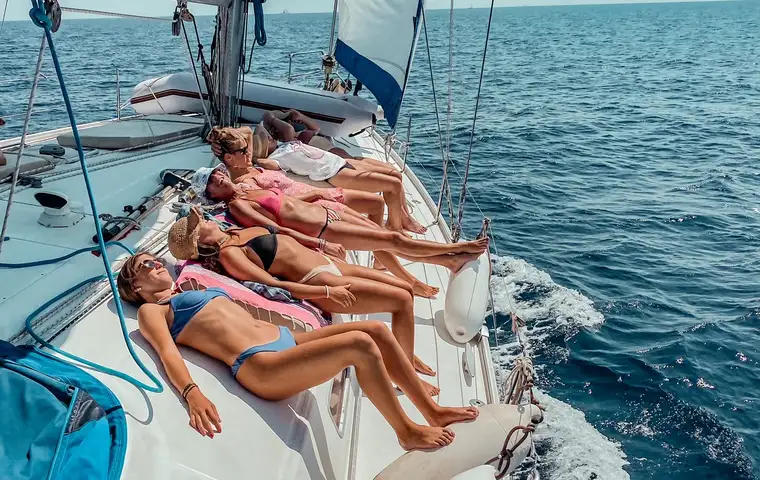
- Navigation and life on board: a sailing cruise means having the sea just a dive away, even as soon as you wake up, it means having an aperitif while always watching the sunset, dining under the stars and enjoying moments of pure fun and relaxation.
€1,052
Per person
What's included
Cancellation policy
€1,052
6 days - 7 nights



24+
Show all
Boat & Classes of Service
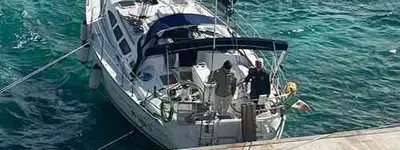
Jeanneau Sun Odyssey 40.3 - 2005
Type
Sailboat
Length
11.75 m.
Toilets
2
Cabins
3



9+
Show all

Our itinerary
Our trip starts here:
Brindisi.
Check-in: 6:00 PM
Our trip ends here:
Brindisi.
Check-out: 8:00 AM
What's included in the price
Boat equipment and facilities
Final cleaning
Tender and outboard
Onboard staff
Skipper
Taxes, fees and moorings
WWF membership
Insurances
Medical and luggage insurance
Other services
Trainer
What you'll have to pay during the experience
Below are the additional expenses you will incur during the experience.
Common Fund
€100 - €150 Per person
The amount of the common fund may vary according to the final number of participants. Skipper, WWF guide and any sailor are exempt from the common fund.
Galley
Food for the crew
Alcoholic drinks
Mooring fees
Embarkation and disembarkation mooring fees
Fuel (boat/tender)
Starter Pack
€10 Per person
The starter pack includes sheets, towels and pillowcases that you will find on board upon your arrival.
Bedding kit
Towels kit
What's NOT included in the price
Below are the services that are not included in the price of the experience, including any available optional services that you may pay directly to the organiser (we advise you to inform the organiser prior to departure in case you wish to purchase such services and arrange the payment terms directly with him).
Excluded
Meals/drinks consumed ashore
Frequent questions
The organiser reviews
Organised by:
WWF Travel
Member since 2020 -
Organisation
Italian
English
4.7/5
out of
235
reviews
Skipper
Boat
Destination
June 2 - cetacean watching expedition in the Pelagos Sanctuary with WWF guide
06/10/2026
Guido F.
-
IT
Long weekend of June 2 with WWF guide in the heart of the Tuscan Archipelago
06/10/2026
Enrica Caterina B.
-
IT

2 June: Whale watching expedition with WWF guide on an 18-meter schooner
06/8/2026
Giovanna G.
-
IT
Long weekend of June 2 with WWF guide in the heart of the Tuscan Archipelago
06/4/2026
MARCO C.
-
IT
Other trips that may interest you





Let's talk Sailsquare!



Follow us on


Secure payments




© 2025 Sailsquare Srl SB • All rights reserved - VAT IT07860990964